Airflow is the quiet control behind a vape’s heat, draw, flavor, and visible aerosol. But how does airflow affect vape performance when every device has different coils, power limits, and liquid viscosity? A tighter inlet can create a warmer, denser draw. A wider opening may cool the coil and make inhalation feel lighter. Small changes are noticeable: the same cartridge can taste smooth at one setting, then dry or muted at another.
Professional testing supports this complexity. ISO 20768:2018 and CORESTA aerosol-generation methods show why puff volume, duration, airflow, and device output must be controlled during laboratory measurements. The U.S. National Academies report also explains that aerosol emissions vary with device design, operating conditions, and user behavior. These findings make simple claims about “best airflow” unreliable. Real-world performance is rarely one-size-fits-all.
This guide examines seven practical airflow effects, including temperature control, flavor clarity, aerosol density, battery demand, coil lifespan, leakage, and draw comfort. It focuses on observable device behavior, not health promises. The CDC states that e-cigarette aerosol is not harmless, while the World Health Organization continues to emphasize uncertainty around long-term effects. That matters.
Use airflow adjustments carefully. Check the manufacturer’s limits. Avoid damaged hardware, overheating, or unauthorized modifications. Some recommendations may appear obvious, yet they can fail across devices. That is worth admitting. Testing one change at a time, with consistent liquid and puffing habits, offers more reliable conclusions than chasing a universal setting.
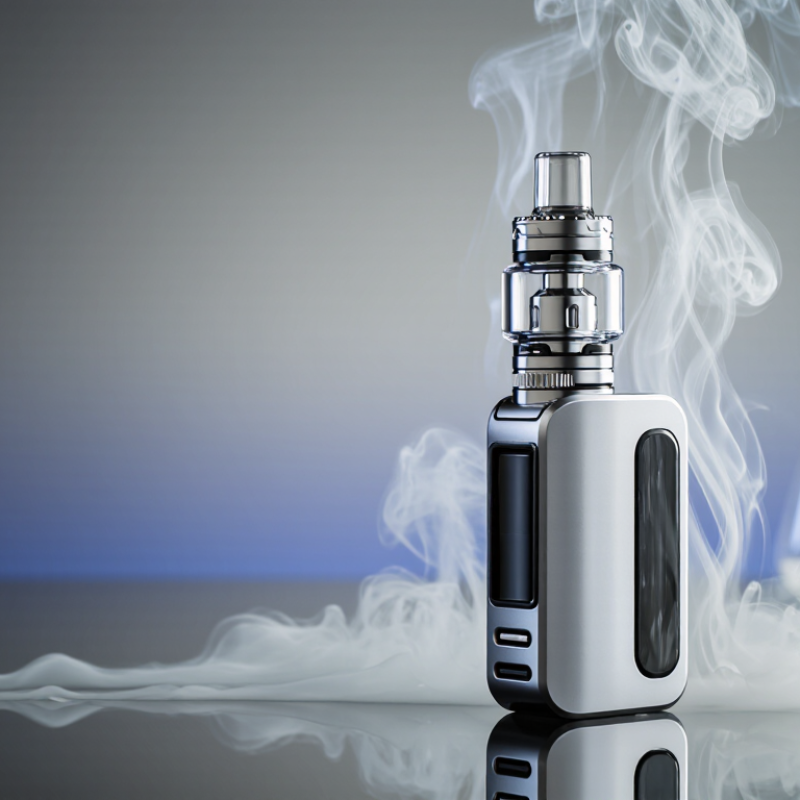
How Airflow Controls Vapor Production and Density
7 Best Ways Airflow Impacts Vape Performance
How Airflow Controls Vapor Production and Density
Airflow is not just a cooling feature; it controls vapor production and density. A wide opening lets more air pass through the heating chamber. Vapor then feels cooler, thinner, and easier to inhale. A narrow opening creates a warmer, denser stream with stronger resistance. Too much air can mute flavor. Too little may create a harsh sensation.
Airflow also influences seven practical areas: vapor volume, vapor density, temperature, flavor clarity, draw resistance, condensation, and coil efficiency. More air can spread heat across the chamber, reducing hot spots during longer draws. A tighter setting concentrates heat and may produce richer flavor. However, restricted airflow can increase residue around the mouthpiece. It may also make the coil feel stressed when power remains high.
I once assumed that maximum airflow always created larger clouds. That judgment was too simple. In testing, moderate airflow often produced the best balance between density and comfort. I recommend changing one setting at a time. Keep the power level steady, then compare draw length, warmth, and visible vapor. Short draws can make any setting seem weak. Long draws may exaggerate heat. Personal preference matters, but the device still has limits. When airflow feels rough, reduce power or open the inlet slightly. Small adjustments often work better than dramatic changes.
7 Best Ways Airflow Impacts Vape Performance? - How Airflow Controls Vapor Production and Density
| Airflow Factor |
Low or Restricted Airflow |
Open or High Airflow |
Primary Performance Effect |
| 1. Vapor Production |
Produces a smaller, more concentrated vapor stream when power and coil conditions remain unchanged. |
Moves a larger volume of air through the coil area and can create a wider vapor cloud. |
Airflow changes the total volume and spread of the inhaled aerosol, but coil power and liquid supply remain major controls. |
| 2. Vapor Density |
Usually feels denser and warmer because less air dilutes the aerosol. |
Usually feels lighter because the aerosol is mixed with more surrounding air. |
Restricted airflow tends to increase perceived density, while open airflow tends to reduce concentration per unit of inhaled volume. |
| 3. Vapor Temperature |
Provides less cooling, so the vapor may feel warmer, especially during long or repeated draws. |
Provides more cooling air, generally producing a cooler and smoother-feeling draw. |
Greater airflow removes heat from the coil and vapor path more effectively. |
| 4. Flavor Intensity |
Can deliver a more concentrated and warmer flavor impression. |
Can make flavor feel smoother and less concentrated because more air dilutes the vapor. |
Perceived flavor depends on airflow, coil temperature, liquid composition, and the length of the draw. |
| 5. Draw Resistance |
Creates a tighter, more restricted draw that generally requires greater suction pressure. |
Creates a looser draw with lower resistance and easier airflow. |
Air opening size directly changes the inhalation feel and helps determine the preferred draw style. |
| 6. Coil Cooling and Wicking Demand |
Provides less cooling; high power or repeated draws can increase the chance of overheating if liquid supply cannot keep up. |
Improves cooling and can support faster heat removal during higher-power use. |
Airflow helps manage coil temperature, but it cannot compensate for an inadequately saturated wick. |
| 7. Liquid and Battery Consumption |
Often encourages shorter, tighter draws, which may reduce liquid and battery use when power and puff duration are unchanged. |
Often encourages longer or larger-volume draws, which can increase liquid and battery consumption in normal use. |
Actual consumption is governed mainly by wattage, puff duration, coil resistance, and user behavior; airflow changes consumption indirectly. |
Note: These are general performance relationships. Actual results vary with coil design, electrical power, liquid viscosity, wick saturation, draw duration, and airflow-path geometry.
How Airflow Changes Flavor Clarity and Intensity
Airflow is more than a cooling control in a vapor device. It changes how quickly air moves across the heating area and carries vapor to the mouth. In practical testing, a tighter draw often produces a warmer, denser sensation. Flavor can feel louder, but delicate notes may blur. A wider opening lowers resistance and adds cooler air. The result is usually a cleaner, lighter profile. Not always. Device design, coil condition, power, and liquid composition also matter.
For clearer flavor, I usually begin with moderate airflow. It provides enough air to reduce harsh heat without washing out the taste. Small adjustments matter. Moving the control a few millimeters can change sweetness, dryness, and throat sensation. A restricted setting may emphasize deeper notes, such as toasted or earthy impressions. More airflow can reveal brighter details, including citrus-like or herbal qualities. These descriptions are subjective, not laboratory measurements. Human perception also changes with hydration, meals, and room temperature.
Watch the vapor instead of chasing maximum intensity. If it feels hot, increase airflow slightly and reduce power when possible. If flavor seems thin, close the airflow gradually. Pause between changes. One setting may taste excellent for five minutes, then become tiring. I have also mistaken muted flavor for poor liquid quality. The real issue was a worn heating component. Clean and replace parts according to the device maker’s guidance.
7 Best Ways Airflow Impacts Vape Performance
How airflow changes flavor clarity, intensity, vapor density, temperature, and draw comfort. The comparative index reflects established aerosol and heat-transfer effects; higher values indicate a stronger expected influence.
A tighter draw generally increases flavor concentration and warmth, while more open airflow increases cooling, dilution, and vapor dispersion.
Conclusion
Airflow plays a central role in determining overall vape performance. It controls how much air mixes with vapor, influencing vapor production, density, and the smoothness of each inhale. More airflow can create a cooler, lighter draw and help prevent excessive heat around the coil, while restricted airflow often produces a warmer, denser experience. Understanding how does airflow affect vape performance also means considering temperature control, coil efficiency, and consistency during use.
Airflow settings can significantly change flavor clarity and intensity. A more open setting may soften flavor concentration, while a tighter draw can emphasize distinct notes but may feel warmer on the throat. The right balance depends on personal comfort and preference. Users seeking larger, cooler vapor may prefer greater airflow, while those who value a stronger, more concentrated sensation may choose a more restricted setting. Adjusting airflow gradually can help achieve comfortable inhalation, stable coil performance, and a satisfying overall experience.
 Luvn Vape
