The debate over whether vape devices are safer than traditional smoking continues to attract attention. Dr. Michael Siegel, a leading public health expert, emphasizes, "While vaping may reduce exposure to some harmful substances, it is not without risks." This statement encapsulates the complexity surrounding vape safety.
Vaping emerged as an alternative to smoking, attracting many smokers looking for a perceived healthier option. Users often believe that switching to vape devices eliminates many of the health risks associated with traditional cigarettes. However, evidence suggests that these devices still expose users to harmful chemicals. The question remains: are vape devices safer than traditional smoking?
Public health guidelines are cautious. Many studies indicate that while vaping might reduce certain risks, it doesn't eliminate them. Non-smokers, especially youth, may feel tempted to start vaping due to perceived safety. This leads to an urgent need for more precise research. As we delve deeper, understanding the true risks of vaping compared to smoking is crucial for making informed health decisions.
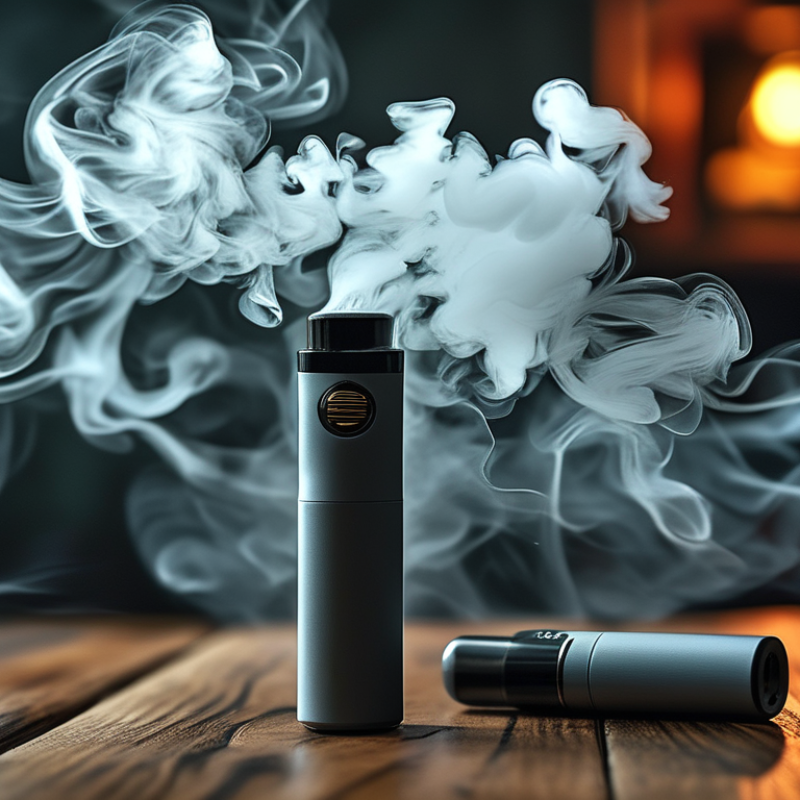
Comparative Analysis of Health Risks: Vaping vs. Smoking
Vaping and smoking present distinct health risks. While vaping has gained popularity as a potentially safer alternative, it's essential to analyze both methods critically. Traditional cigarettes release thousands of harmful chemicals. These substances can lead to serious diseases, including cancer and respiratory issues. The tar produced by burning tobacco is a primary culprit in lung damage. In contrast, e-cigarettes create vapor through heating liquid, reducing many harmful byproducts.
However, vaping is not without its risks. Studies suggest that some e-liquids contain harmful additives. These can cause lung irritation and other health complications. Users may also experience nicotine addiction, leading to long-term dependence. Additionally, the long-term effects of vaping are still not entirely understood. The rapid evolution of vape devices raises questions about their safety. Health experts continue to urge caution in their use.
Decisions about vaping should be informed. Individual health concerns and personal circumstances play crucial roles. It's vital for users to seek credible information from health professionals. Understanding the nuances between vaping and smoking is necessary for making informed choices. The quest for safer alternatives continues, but awareness of potential risks remains paramount.
Chemical Composition: Identifying Harmful Substances in Vape and Cigarettes
When comparing vape devices to traditional smoking, a crucial aspect is their chemical composition. Vape products often contain fewer harmful substances than cigarettes. However, e-liquids can still include harmful chemicals. For instance, propylene glycol and vegetable glycerin are commonly used. While these substances are generally recognized as safe for ingestion, their safety when vaporized is still debated.
Cigarettes release thousands of toxic compounds, including tar and heavy metals. These substances contribute to serious health issues like cancer and respiratory diseases. In contrast, many vapes do not generate tar, which can reduce some health risks. Nevertheless, vapes may still contain nicotine, which is addictive and can impact cardiovascular health. The long-term effects of inhaling vape aerosol are not yet fully understood.
It's important to acknowledge the potential risks of both methods. Vaping might seem less harmful at first glance. Yet, the lack of comprehensive research on vape devices leaves many questions unanswered. Users must weigh these uncertainties when choosing between vaping and traditional smoking. The conversation continues, highlighting the need for further studies to clarify the safety of these alternatives.
Are Vape Devices Safer Than Traditional Smoking Facts Revealed?
| Substance |
Presence in Cigarettes |
Presence in Vape Devices |
Health Effects |
| Nicotine |
High |
Moderate |
Addiction |
| Carbon Monoxide |
High |
None |
Heart and Lung Issues |
| Tar |
High |
None |
Lung Disease |
| Formaldehyde |
Low |
Moderate |
Respiratory Issues |
| Acrolein |
Low |
Low |
Irritation of Airways |
Impact on Respiratory Health: Evidence from Recent Studies
Recent studies have begun to explore the impact of vaping on respiratory health. A 2021 report from the Journal of Clinical Medicine found that e-cigarette users exhibit increased airway resistance. This suggests potential respiratory issues, particularly among long-term users. Though vaping is often marketed as a safer alternative, the findings indicate that it may still compromise lung function over time.
Moreover, a study published in the American Journal of Preventive Medicine highlights that vaping can lead to inflammation in the airways. This inflammation, when combined with other factors like pollution, may raise the risk of chronic bronchitis. While the findings are not conclusive, they should inspire caution. The ongoing research emphasizes the need for further investigation into vaping’s long-term effects.
Notably, there is a difference in the respiratory impact of traditional smoking and vaping. While traditional cigarette smoking is widely known to cause severe lung diseases, vaping appears to pose less immediate harm. However, the gap is narrowing as new data emerges. Respiratory health, a crucial aspect of overall well-being, deserves a closer examination as vaping becomes more prevalent. The conversation around vaping's safety and its implications on lung health continues to evolve.
Long-term Effects: Understanding the Risks of Nicotine Exposure
Understanding the long-term effects of nicotine exposure is crucial in evaluating the safety of vape devices. Research shows that nicotine can alter brain development, especially in adolescents. This alteration can lead to addiction, making it difficult for users to quit. Additionally, nicotine can impact mood and cognition.
Many smokers believe vaping is a safer alternative. However, the long-term risks associated with nicotine remain significant. Regular exposure can increase heart rate and blood pressure, posing cardiovascular risks. While some studies suggest vaping may produce fewer harmful compounds than traditional cigarettes, the full extent of its long-term effects is still unknown.
The debate surrounding the safety of vape devices continues. Users often overlook potential hazards. Vaping may seem appealing to young adults. Yet, understanding the risks is essential for informed choices. We must consider the implications of nicotine exposure not just for individuals, but for public health as a whole.
Regulatory Perspectives: How Vaping Devices are Monitored and Controlled
The regulation of vaping devices is crucial in understanding their safety compared to traditional smoking. Government agencies across various countries monitor and control these products to ensure public health is prioritized. For instance, the Centers for Disease Control and Prevention (CDC) highlights the need for clear labeling and age restrictions. Studies show that underage use of vaping products can lead to nicotine addiction and long-term health issues.
In recent years, data from the World Health Organization (WHO) revealed that many regions have implemented stricter regulations on vaping. Countries like the United Kingdom and Canada have established comprehensive frameworks. These include product testing and mandatory ingredient disclosures. The focus is on preventing harmful chemicals in e-liquids, yet regulatory challenges remain. For example, not all regulations are uniformly enforced, leading to questions about the safety of some products in the market.
Moreover, despite regulation, the uncertainty surrounding vaping persists. A 2021 study from the National Institute on Drug Abuse reported that many users still perceive vaping as less harmful. This perception, coupled with inconsistent regulations, raises concerns about health risks. Users must remain informed of the evolving landscape of vaping regulations and health implications. The gap in public understanding shows the need for continuous education and scrutiny in this area.
FAQS
: Vaping may involve fewer harmful substances, but it still poses risks like lung irritation and addiction.
E-liquids can contain harmful additives, which may lead to health complications. Caution is essential.
Nicotine in vapes can lead to addiction and long-term dependence, impacting overall health negatively.
Studies suggest vaping can lead to increased airway resistance and potential lung function decline over time.
While vaping may seem safer, its long-term effects are still largely unknown, warranting careful consideration.
Cigarettes contain thousands of toxic compounds, including tar and heavy metals, contributing to severe diseases.
The lack of comprehensive studies leaves many questions about vaping’s safety, highlighting the need for further investigation.
Vaping may lead to airway inflammation, possibly increasing the risk of chronic bronchitis, especially with pollution.
Propylene glycol and vegetable glycerin are often found in e-liquids, but their safety when vaporized is debated.
Users must seek credible information and consider personal health circumstances before deciding to vape or smoke.
Conclusion
The article titled "Are Vape Devices Safer Than Traditional Smoking? Facts Revealed" offers a comprehensive analysis of the health risks associated with vaping compared to traditional cigarette smoking. It begins with a comparative analysis of the health risks, highlighting the significant differences in chemical composition between vape devices and conventional cigarettes, which often contain harmful substances. Further, the impact on respiratory health is examined through recent studies, indicating that while vaping may present fewer immediate threats, long-term effects due to nicotine exposure remain a concern.
Additionally, the regulatory perspectives surrounding vaping devices are discussed, focusing on how these products are monitored and controlled to ensure public safety. This exploration ultimately raises the critical question: are vape devices safer than traditional smoking? While evidence suggests that vaping might pose fewer hazards, the complexities of long-term health effects warrant careful consideration and ongoing research.

 Luvn Vape