Choosing a vape device in 2026 requires more than comparing colors, prices, or screen designs. The practical question is: what features should you look for in a vape device? Start with safety, clarity, and suitability for adult users who already vape legally. Look for a reliable battery system, short-circuit protection, overcharge protection, and clear charging instructions. A device should feel solid in your hand, without loose panels, sharp edges, or unexplained heat during normal use.
Professor Linda Bauld has stated, “Vaping is not risk-free, but it is substantially less harmful than smoking.” That reminder matters. A vape device is not harmless, and it should never be presented as risk-free. Check the manufacturer’s identity, product documentation, age restrictions, and compliance information for your location. Independent testing is valuable, but marketing claims can still be incomplete. Read the small print.
Usability also affects responsible use. Adjustable airflow can change the draw, while simple controls may reduce accidental activation. A visible battery indicator helps prevent unexpected shutdowns. Replaceable parts may reduce waste, but only when the device and components are compatible. Some users prefer compact designs; others need longer battery life. There is no perfect choice. I might value battery protection over a bright display, while another adult user may choose easier maintenance. Consider your routine, storage habits, and charging environment before deciding. Never modify batteries, use damaged equipment, or charge a device unattended. The safest feature is careful judgment.
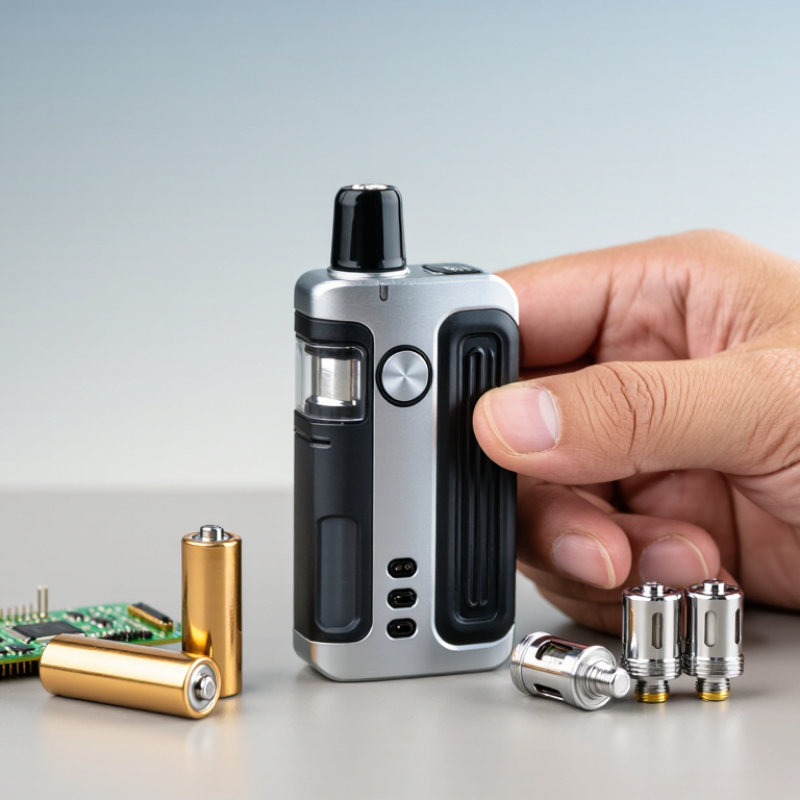
How to Choose a Vape Device: What Features Matter?
Define Device Types With CDC’s 2023 U.S. Adult E-Cigarette Data
The CDC’s 2023 U.S. adult e-cigarette data helps clarify how adults use different device types. It is a population snapshot, not a product recommendation. Common categories include disposable devices, cartridge-based devices, and tank systems. Each design changes maintenance, battery use, and handling. However, survey categories can simplify real-world products. One device may fit more than one group.
Disposable devices usually arrive ready to use and require little maintenance. Cartridge devices use replaceable, prefilled sections. Tank systems hold liquid in a refillable chamber and often need more cleaning. For adults who already use e-cigarettes, battery capacity, charging safety, and clear operating instructions deserve close attention. A stable shape also matters. It should feel secure, not slippery, during normal handling.
Keep the controls simple. Very high power is not automatically better. It can increase heat, consumption, and irritation for some users. Look for readable labels, sealed charging ports, and child-resistant packaging where available. Avoid damaged batteries, leaking parts, or unofficial modifications. Evidence about long-term health effects remains incomplete, so confidence should stay measured. I would not choose a device only because it appears popular in CDC data. Personal habits, maintenance ability, and safe storage may matter more. Small details matter.
| Device Type | How It Works | Key Features | Portability | Maintenance | Best Suited To | Important Considerations |
|---|---|---|---|---|---|---|
| Disposable E-Cigarette | A sealed or mostly sealed device containing an integrated battery and a pre-filled e-liquid chamber. It is discarded when the battery or liquid is depleted. | Draw activation No refilling No charging on many models | Very high; compact and lightweight. | Low day-to-day maintenance, but the entire device becomes waste after use. | Adults who prioritize simplicity and do not want to refill or adjust settings. | Limited control over airflow and output; battery and liquid capacity vary by model. |
| Pod System | Uses a small replaceable or refillable pod connected to a rechargeable battery. | Compact design USB charging Replaceable or refillable pod | High; designed for everyday carrying. | Low to moderate; pods must be replaced or cleaned, and the battery requires charging. | Adults seeking a balance between convenience, portability, and basic control. | Pod compatibility, charging safety, leakage resistance, and liquid capacity should be checked. |
| Vape Pen | A slim rechargeable device using a tank or cartridge, usually with a simple button or draw-activated control. | Rechargeable battery Simple controls Moderate capacity | Moderate to high; generally larger than a pod system. | Moderate; may require tank filling, coil replacement, and occasional cleaning. | Adults who want more liquid capacity than a small pod device without using a larger mod. | Coil life, tank sealing, charging time, and replacement-part availability affect ownership cost. |
| Box Mod | A larger rechargeable device that powers a separate tank or atomizer and may allow adjustable power and airflow. | Variable power Adjustable airflow Large battery capacity | Low to moderate; larger and heavier than pod systems or pens. | High; requires coil changes, tank cleaning, charging management, and configuration. | Experienced adult users who value customization and longer operating time. | More settings increase the risk of incorrect operation; battery handling and charger quality are important. |
| Refillable Tank Device | Uses a refillable reservoir and a replaceable heating coil, typically paired with a pen-style battery or mod. | Reusable tank Adjustable airflow Replaceable coil | Moderate; size depends on the battery and tank combination. | Moderate to high; requires refilling, coil replacement, and cleaning. | Adults who prioritize longer-term reusability and the ability to select compatible components. | Compatibility between tank, coil, battery output, and e-liquid must be verified before use. |
| Closed-Pod Device | Uses pre-filled, manufacturer-sealed pods that are replaced after use rather than refilled. | Simple operation Consistent setup Low spill risk | High; usually small and lightweight. | Low; replace the pod and recharge the device when needed. | Adults who prefer predictable operation and minimal maintenance. | Less flexibility in liquid choice and airflow; ongoing pod availability and waste are practical concerns. |
| Selection Dimension | Why It Matters | Most Relevant Device Types | What to Check Before Choosing |
|---|---|---|---|
| Ease of Use | Fewer controls and fewer replaceable parts generally reduce the learning curve. | Disposable, closed-pod, and basic pod systems. | Activation method, charging process, pod replacement steps, and operating instructions. |
| Battery and Charging | Battery capacity affects operating time, while charging design affects convenience and safety. | Pod systems, vape pens, and box mods. | Battery type, charging-port condition, charging instructions, and protection features. |
| Liquid and Pod Capacity | Larger capacity may reduce refill or replacement frequency but can increase device size. | Vape pens, refillable tanks, and box mods. | Capacity, leakage resistance, fill method, and compatibility with replacement parts. |
| Control and Customization | Adjustable power and airflow can change vapor production, draw resistance, and battery consumption. | Refillable tanks and box mods. | Power range, airflow adjustment, coil compatibility, and whether settings can be locked. |
| Maintenance and Waste | Reusable components may reduce disposable-device waste but require regular cleaning and part replacement. | Refillable tanks and rechargeable pod systems. | Availability of coils or pods, cleaning requirements, expected replacement frequency, and disposal instructions. |
| Safety and Storage | All e-cigarette batteries require proper handling to reduce the risk of overheating, damage, or accidental activation. | All rechargeable devices, especially devices with removable batteries. | Use the supplied or compatible charger, keep batteries away from metal objects, inspect for damage, and store away from children and pets. |
Common categories include disposable devices, cartridge devices, and tank systems. Categories can overlap in real life.
Disposable devices usually need little maintenance. Tank systems use refillable chambers and require more cleaning.
Check battery capacity, charging safety, operating instructions, and a stable shape. It should not feel slippery.
No. Higher power can increase heat, liquid use, and irritation. More output is not automatically an improvement.
Look for overcharge, over-discharge, short-circuit, temperature, and accidental-activation protections. Small safeguards matter.
Check for casing damage, loose connectors, leaks, swelling, or unusual smells. Do not ignore warning signs.
Keep it away from metal objects, children, and extreme heat. Never leave it inside a hot car.
Stop using it and remove it from service safely. A flashing light may seem harmless, but it can signal trouble.
No. Testing can indicate safeguards, but damaged parts and poor charging habits still create risks.
No. Population data describes adult use, not product quality. Maintenance ability and storage habits may matter more. I might still overlook something.
Choosing a vape device in 2026 should begin with understanding the main categories, including pods, larger mods, replaceable coils, and devices with different power ratings. CDC data on U.S. adult e-cigarette use can help explain which formats are commonly used, while UL 8139 safety criteria provide a practical framework for reviewing electrical design, charging systems, temperature control, and construction quality. A key question is “what features should you look for in a vape device”? Look for clear specifications, suitable power limits, reliable coil compatibility, and straightforward operating instructions.
Nicotine delivery can vary significantly depending on device settings, liquid formulation, coil condition, and user behavior, as noted by the National Academies. Battery protection is also essential because documented risks include overheating, short circuits, and charging-related fires. Before purchasing, confirm that the product appears in the FDA’s Authorized Tobacco Product Database and complies with applicable regulations in your location. Choose only legally authorized products, follow the manufacturer’s safety guidance, and avoid modifying batteries or charging equipment.

 Luvn Vape