How to Source Vape Devices for Global Markets in 2026?

Time:2026-10-26 Author:Amelia
0%

Sourcing vape devices for global markets in 2026 requires more than comparing factory prices. Demand remains significant, but market estimates vary sharply. Fortune Business Insights valued the global e-cigarette market at about USD 26.7 billion in 2023, while other research firms report different baselines. That gap matters. It shows why distributors should test assumptions before committing inventory.

The central question is: what should distributors consider when sourcing vape devices? Start with market authorization, age restrictions, nicotine rules, labeling, and advertising limits in each destination. The European Union’s Tobacco Products Directive sets requirements for notification, packaging, ingredients, and emissions. In the United States, FDA authorization remains essential for legally marketed tobacco products. Requirements also change between countries. A device approved in one market may still be unsuitable elsewhere.

Safety evidence should be visible, not promised verbally. Ask suppliers for battery test records, UN 38.3 transport documentation, quality-control procedures, and traceable batch numbers. IEC 62133-2 testing can support battery safety, but it does not replace local approval. Request samples from the same production line used for commercial orders. Check charging behavior, leakage, airflow consistency, labeling accuracy, and packaging durability. Small failures become expensive recalls.

WHO reports continue to emphasize youth protection, product oversight, and transparent regulation. Those priorities should shape supplier selection. Distributors should also review waste obligations, recycling systems, data protection, and responsible retail controls. Forecasts can be wrong. Consumer preferences may shift faster than procurement cycles. A cautious sourcing plan should therefore use smaller trial orders, documented audits, and clear exit clauses. Growth is possible, but compliance must remain the stronger business case.
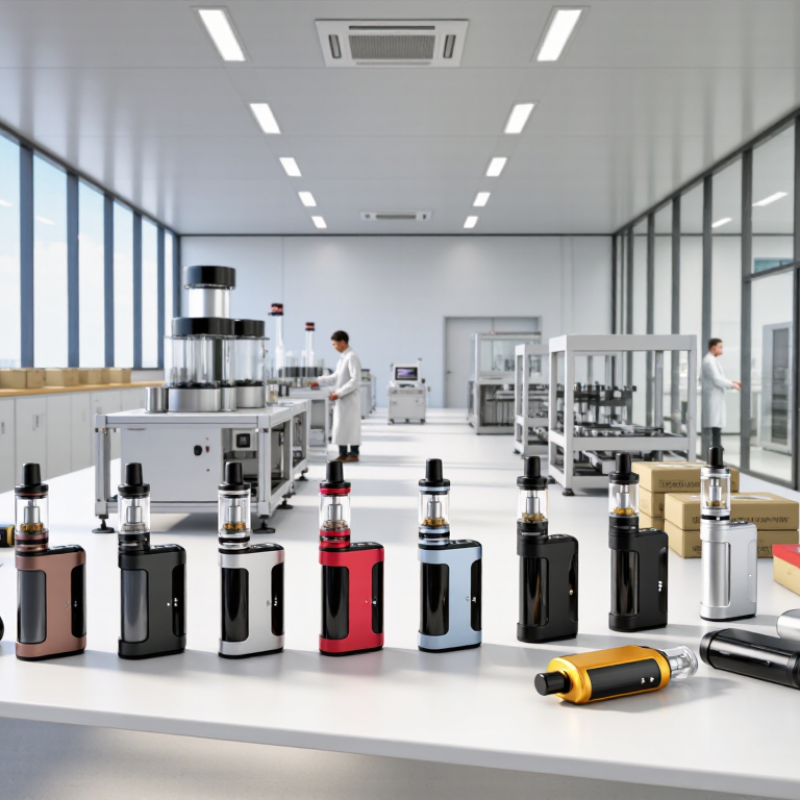
How to Source Vape Devices for Global Markets in 2026?

Defining Vape Device Categories and Global Market Requirements

How to Source Vape Devices for Global Markets in 2026?

Defining the device category is the real sourcing decision. Common categories include closed-pod systems, refillable pod systems, and regulated single-use devices. Each category needs different testing, packaging, documentation, and after-sales support. Grand View Research valued the global e-cigarette market at approximately USD 28.17 billion in 2023. Its forecast also indicates strong growth through 2030. That growth does not make every product suitable for every country.

Closed-pod devices can simplify dose consistency and leakage control. Refillable systems may reduce packaging waste, but they require clearer user instructions and safer filling designs. Single-use products face increasing environmental scrutiny. The Global E-waste Monitor 2024 reported 62 million tonnes of electronic waste in 2022. That figure makes battery recovery and material traceability practical sourcing concerns, not decorative promises. The category must match local product rules, age restrictions, language requirements, and approved sales channels.

A reliable supplier should provide third-party test reports, battery transport evidence, material declarations, and batch-level quality records. UN 38.3 testing supports lithium battery transport, while IEC 62133-2 addresses portable battery safety. Requirements still differ by market. I would not trust a catalogue claim without verification. That assumption is risky. Auditors should inspect charging protection, thermal behavior, leakage resistance, child-resistant packaging, and recycling instructions. I have seen sourcing plans fail because the device passed factory inspection but lacked market-specific labeling. Compliance is not a final sticker; it must shape product selection from the beginning.

Mapping Country-Specific Regulations, Standards, and Import Rules

How to Source Vape Devices for Global Markets in 2026?

Country rules should shape sourcing before price negotiations begin. The WHO Report on the Global Tobacco Epidemic 2023 states that 74 countries prohibit electronic nicotine product sales, while 88 set minimum-age rules. That difference can change a shipping plan overnight. Build a country matrix covering product classification, nicotine limits, labeling, batteries, recycling, and customs codes.

In the European Union, the Tobacco Products Directive limits nicotine liquid to 20 mg/ml, tanks to 2 ml, and refill containers to 10 ml. Products also require notification before sale, with national interpretation still varying.

The United Kingdom uses a separate MHRA notification process. Its disposable vape sales ban began in 2025, so reusable designs need clear evidence of compliance. Small details matter, such as warning text size and child-resistant packaging.

The United States requires authorization before marketing covered products. Importers should verify FDA status, customs documentation, and establishment responsibilities before placing purchase orders.

Australia treats many nicotine vaping products as therapeutic goods, with pharmacy and prescription controls. Some markets prohibit sales entirely; do not route products through neighboring countries.

I have seen promising samples fail because the battery certificate was missing, not because the device performed poorly. That is an expensive lesson. SGS and Intertek testing can support evidence files, but testing does not replace local legal review. Industry data from Euromonitor International’s 2024 analysis also shows fragmented regulation remains a major barrier to market entry. Each shipment needs its own compliance check.

Evaluating Manufacturers, Certifications, and Product Quality

Sourcing vape devices for global markets begins with a careful manufacturer review. A polished website proves little. Request factory registration, quality certificates, test reports, and recent production records. Check whether the listed certificates match the exact device model. A certificate for another product is not enough. Ask about adult-use controls and market restrictions.

Factory visits reveal details documents may miss. Inspect assembly areas, battery storage, cleanliness, and worker training. Review incoming-material checks and final inspection procedures. Ask for serial-number traceability and retained samples from every batch. Test several units for leakage, airflow consistency, charging stability, and overheating protection. Small differences often expose weak process control. Samples can be excellent while regular production is inconsistent.

Certifications must fit the destination market. Depending on the country, buyers may need electrical safety, electromagnetic compatibility, substance-restriction, battery-transport, or recycling documentation. Confirm requirements with an independent laboratory and local compliance specialist. Do not rely on copied logos or unsigned reports. Quality also includes clear labeling, responsible packaging, and accurate instructions for adult consumers. No audit is perfect. I would repeat testing after design changes, even when the supplier seems reliable. One overlooked seal or firmware update can alter performance. Keep written corrective-action records, because verbal promises disappear quickly.

Building a Compliant Sourcing, Logistics, and Distribution Plan

How to Source Vape Devices for Global Markets in 2026?

Building a Compliant Sourcing, Logistics, and Distribution Plan

A compliant sourcing plan starts with market-by-market research. Device rules, labeling duties, taxes, and age restrictions can differ sharply. Do not assume one package works everywhere. Create a regulatory file for each destination, including approved materials, battery documentation, test reports, and warning language. An independent laboratory should verify electrical safety and product consistency before shipment.

Supplier selection needs more than a competitive quotation. Review factory licenses, quality procedures, production records, and corrective-action history. Request samples from regular production, not special inspection batches. Check charging ports, seals, airflow, packaging, and serial-number traceability. Small details matter. A weak seal can create costly returns.

Logistics should connect compliance with physical control. Use accurate customs classifications, complete commercial invoices, and experienced customs brokers. Store products in dry, monitored facilities, especially where batteries require controlled handling. Distributors should verify legal selling channels and maintain age-check procedures where required. Keep shipment records for potential recalls.

A practical weakness is overconfidence in paperwork. Documents may be current while production quietly changes. Schedule periodic audits and random batch testing. Also, build a clear withdrawal process before the first order leaves the warehouse. It may feel excessive, but one missing record can delay an entire shipment. Good planning reduces risk, though it never removes uncertainty.

Managing Costs, Risks, Sustainability, and Market Expansion in 2026

Sourcing vape devices for global markets in 2026 requires more than comparing factory prices. Grand View Research estimated the global e-cigarette market at about USD 28 billion in 2023. That figure signals opportunity, not guaranteed profit. Importers should verify product classifications, age-control requirements, labeling rules, and battery transport standards in every destination. Requirements can change quickly.

Cost control starts with total landed cost. Include tooling, testing, shipping, duties, warranty returns, and compliance audits. A low unit price can hide expensive failures. Pilot orders should test airflow consistency, battery safety, packaging strength, and traceability. Independent laboratory reports add credibility, although they do not replace local approval. Supplier scorecards should record defect rates and corrective actions. Real experience matters here.

Sustainability also affects market expansion. The Global E-waste Monitor 2024 reported 62 million tonnes of e-waste in 2022, while only 22.3% was formally collected and recycled. Buyers should request battery specifications, disassembly guidance, recycled-content data, and take-back plans. Reusable components may reduce waste, but they can increase cleaning and service costs. The trade-off is easy to underestimate. Forecasts also deserve skepticism. Demand models often ignore enforcement, tax changes, and consumer shifts. A careful sourcing team should keep two compliant suppliers, document assumptions, and review them quarterly.

How to Source Vape Devices for Global Markets in 2026?

Managing costs, risks, sustainability, and market expansion through logistics-market screening

The 2023 Logistics Performance Index score provides a comparable indication of customs efficiency, infrastructure quality, shipment reliability, logistics competence, tracking capability, and delivery timeliness. Higher-scoring locations may offer lower logistics friction when evaluating sourcing or distribution routes, but regulatory approval, product safety, battery transport rules, environmental obligations, and market demand must be assessed separately before entering a market.

Data source: World Bank, Logistics Performance Index 2023. Scores range from 1.0 to 5.0.

FAQS

Which vape device categories are commonly considered for global markets?

Common categories include closed-pod, refillable pod, and regulated single-use devices. Each category needs different testing, packaging, instructions, and support. The best choice depends on local rules.

What should buyers check before selecting a device category?

Check product classification, age restrictions, language rules, and approved sales channels. Confirm whether the category is permitted in each destination. Do not assume one market’s approval works everywhere.

What documents should a supplier provide?

Request factory registration, model-specific test reports, battery transport evidence, and material declarations. Ask for batch records and retained samples. A copied certificate proves very little.

Which battery safety records are important?

UN 38.3 evidence supports lithium battery transport. IEC 62133-2 addresses portable battery safety. Also inspect charging protection and thermal behavior. Transport approval is not complete product approval.

How can buyers evaluate factory quality?

Visit assembly areas, battery storage rooms, and final inspection stations. Review worker training and incoming-material checks. Test leakage, airflow, charging stability, and overheating protection. Small defects can reveal weak process control.

Why should suppliers provide model-specific certification?

A certificate for another device may not apply. Match the document to the exact model and revision. Check signatures, laboratory details, and testing dates. I would retest after design changes.

What costs belong in the sourcing budget?

Include tooling, laboratory testing, shipping, duties, audits, and warranty returns. A low unit price can hide expensive failures. Pilot orders should test packaging strength and traceability. The cheapest quotation may be misleading.

How should sustainability affect device sourcing?

Ask for battery specifications, disassembly guidance, recycled-content data, and take-back plans. Single-use products can create more waste and recovery pressure. Reusable parts may reduce waste, but service costs can rise. The trade-off is easy to underestimate.

How can importers manage changing market risks?

Maintain two compliant suppliers when possible. Review rules, taxes, enforcement, and demand assumptions quarterly. Keep written corrective-action records. Forecasts can be wrong. That possibility deserves attention.

Conclusion

Sourcing vape devices for global markets in 2026 requires a structured approach that balances product suitability, regulatory compliance, quality, and commercial goals. Distributors should first define device categories, target users, technical specifications, and market requirements, then map each destination’s applicable regulations, safety standards, labeling rules, battery requirements, and import procedures. A clear understanding of what should distributors consider when sourcing vape devices helps create a reliable evaluation framework for suppliers and products.

The sourcing process should include thorough manufacturer assessments, certification verification, quality-control inspections, traceability measures, and testing for performance and safety. Distributors should also develop compliant logistics and distribution plans, including documentation, warehousing, shipment handling, and local partner responsibilities. Finally, they should evaluate total costs, supply-chain risks, sustainability practices, after-sales support, and opportunities for controlled market expansion. By combining careful planning with ongoing compliance reviews, distributors can build a more resilient and responsible sourcing strategy for 2026.

Amelia

Amelia

Amelia is a seasoned marketing professional with a wealth of expertise in our company’s core offerings. With an unwavering passion for driving growth and innovation, she plays a pivotal role in shaping our marketing strategies and enhancing brand visibility. A key aspect of her responsibilities......