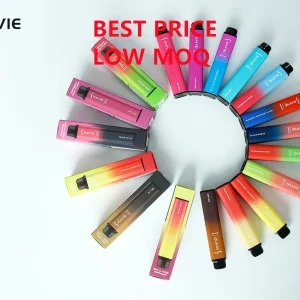
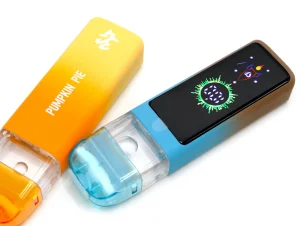
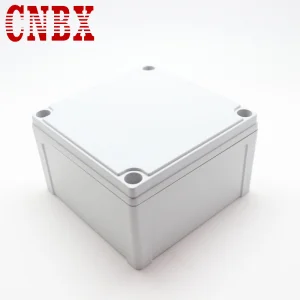
Explore our elite range of structural enclosures, customized circuit controls, high-capacity vape units, and modular systems engineered for industrial reliability.
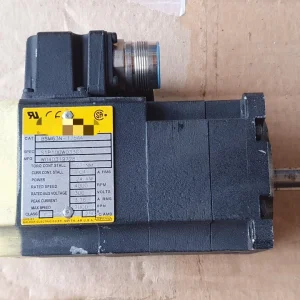
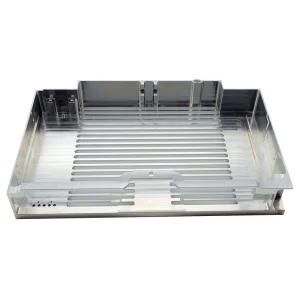
The global electronic cigarette industry has transitioned from rudimentary direct-voltage configurations to highly complex, intelligent electronic systems. Modern vaping hardware demands continuous, stable power delivery managed by high-rate lithium-ion chemistry. The safety, reliability, and lifespan of these devices are governed entirely by the engineering and production quality of their battery packs.
Today's industrial ecosystem is focused heavily on high-energy density cell integration, intelligent battery management systems (BMS), and regulatory-compliant modularity. As major global markets implement stringent compliance frameworks—such as the PMTA in the United States and TPD in Europe—manufacturers must focus on traceably sourceable cell elements, comprehensive thermal protection, and robust structural enclosure engineering. The battery pack is no longer just a raw energy source; it is the core intellectual engine of the vaping device.
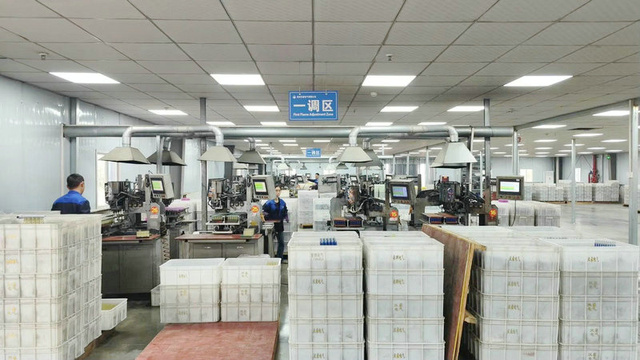
Operating from the epicentre of global e-cigarette R&D and supply chain excellence in Shenzhen, China.
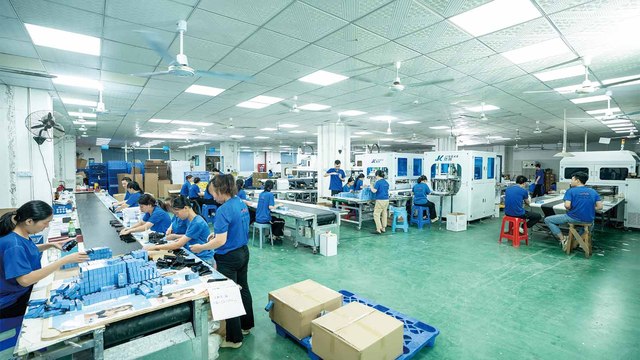
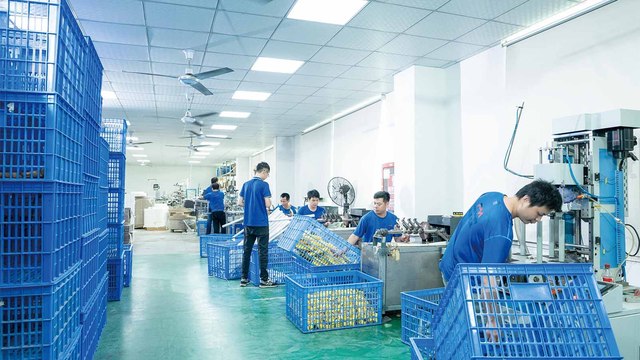
Shenzhen Luvn Vape Co., Ltd. represents the absolute pinnacle of high-tech manufacturing, specializing in structural design, embedded firmware programming, and comprehensive power delivery optimization. Our modern production complexes feature automated cell-sorting lines, precision CNC machining, and dust-free PCB assembly environments.
By leveraging an advanced engineering team, we ensure that every OEM & ODM battery pack project is scrutinized through severe simulated environments, including high-temperature storage, forced discharge cycles, drop tests, mechanical vibration tests, and high-altitude low-pressure simulation. This systematic attention to detail guarantees that your brand is protected against thermal runaway risks.
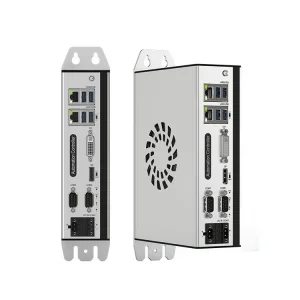
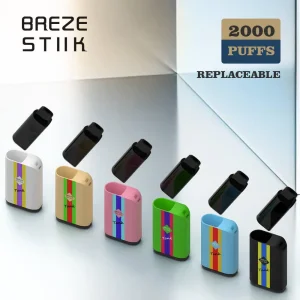
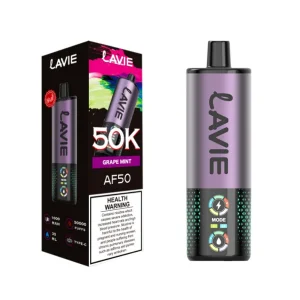
Our capabilities stretch from early conceptualization to global container distribution. Whether you require micro-battery packs for ultra-compact disposables, replaceable pod cells with localized smart safety chips, or heavy-duty sub-ohm box mods with Modbus/BACnet capability, Luvn Vape provides tailored hardware solutions.
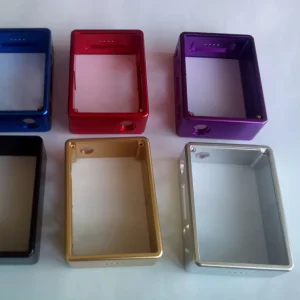
Through our industrial design pipelines, we execute high-tolerance ABS/PC molding, precision anodized aluminum turning, and complex prototyping services. This structural precision ensures that the internal battery cell is housed safely inside shock-absorbent compartments, preventing mechanical puncture and ensuring clean, continuous electricity to the atomizer coil.
Why sourcing your E-Cig battery systems from our Shenzhen facility ensures maximum market responsiveness.
By purchasing lithium raw materials, safety PCBs, and protective shells directly within the local industrial corridor of Guangdong, we eliminate multi-tier supply chains and maximize price efficiency.
Our vertically integrated engineering teams complete CNC physical mockups within 48 hours and functional circuit board layouts within 5 business days, speeding up your path to regulatory testing.
We deploy automated battery welding systems, precision optical alignment machines, and robotic testing units to maintain high manufacturing consistency and reduce human assembly defects.
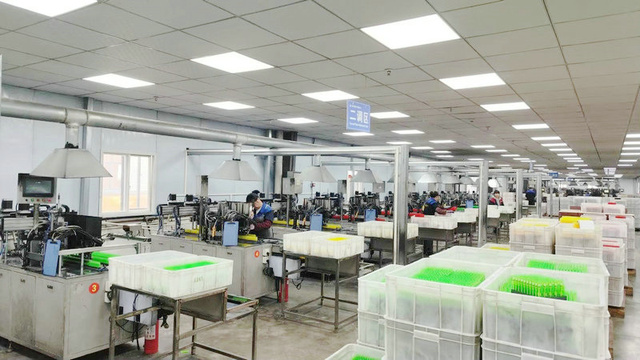

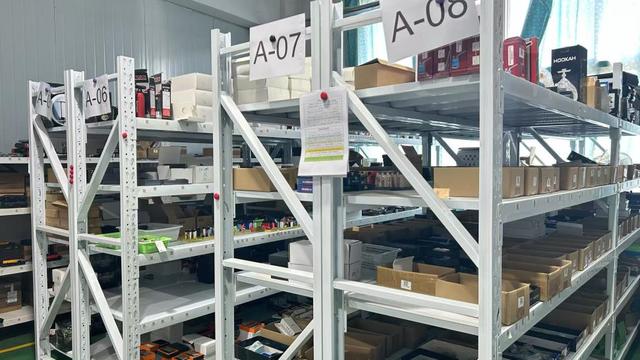
Reference matrix for hardware buyers and product engineers during component specification planning.
| Battery Class / Form Factor | Typical Nominal Capacity | Discharge Rate (C-Rating) | Integrated BMS Safeguards | Key Global Certifications |
|---|---|---|---|---|
| Disposable Vaping Packs (13300 / 13400) | 280mAh - 650mAh | 15C - 25C High-Drain | Short Circuit, Low Voltage Cutoff | UN38.3, MSDS, CE, RoHS |
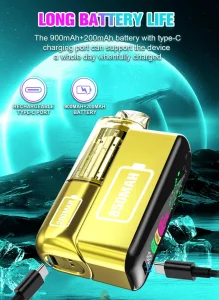
| Rechargeable Pod Battery Modules | 400mAh - 1000mAh | 10C - 15C Continuous | Type-C Overcharge, Dual Mosfet Cutoff | IEC62133, CE, CB Scheme |
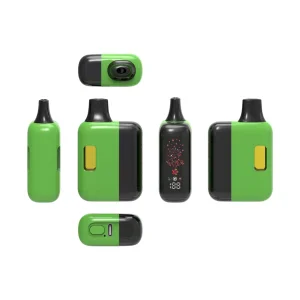
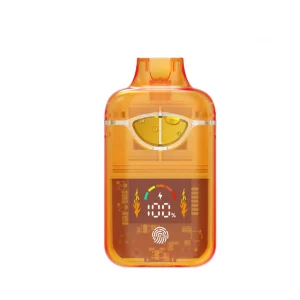
| High puff Count Smart Screens | 850mAh - 1200mAh | 8C - 12C Stable | OLED Driver Control, Temperature Monitoring | UL8139, FCC, CE, MSDS |
| Heavy-Duty Mod Box Modules (18650/21700) | 2000mAh - 4500mAh | 25C - 45C Burst | NTC Thermal Probes, Real-Time Voltmeter | UL1642, KC, PSE, CE, RoHS |
Adaptability across international regulatory landscapes and dynamic environmental challenges.
Vaping devices are exposed to extremely diverse environments worldwide. For regions with cold winter climates, standard lithium-ion batteries often experience significant voltage drops and capacity loss. Luvn Vape engineers customized low-temperature battery chemistries that maintain up to 85% of their nominal capacity at sub-zero temperatures (-10°C to -20°C).
Conversely, for markets characterized by tropical heat and high humidity, we integrate high-spec NTC thermal monitoring circuits that automatically shut down output when internal heat exceeds 55°C, ensuring safety against thermal runaway.
For international logistics and consumer safety, e-cigarette battery packs must strictly adhere to shipping rules and country-specific rules. All Luvn Vape battery packs are shipped with full UN38.3 test summaries, MSDS documentation, and compliance with the EU's battery directive.
Furthermore, our materials are selected to meet strict environmental standards, ensuring that all plastic housings, solder joints, wires, and cell elements are lead-free, non-toxic, and fully compliant with the RoHS and REACH standards.

Technological developments driving the next generation of electronic cigarette energy designs.
The industry is moving toward high-voltage chemistry (reaching up to 4.45V) to increase energy density within smaller footprints, enabling sleek device profiles with higher puff ratings.
With incoming global directives regarding disposable e-cigarettes, our R&D is focused on creating modular, solderless structural connections that allow batteries to be easily disassembled for recycling.
Integrating low-energy Bluetooth, dynamic vapor volume tracking chips, and touch-screen display power management directly into the battery pack PCB for modern, connected hardware platforms.


Clear answers on design configurations, compliance, customization options, and manufacturing timelines.
Precision-engineered electronic housings, custom vaping interfaces, and smart charging pods designed for global commercial brands.

 Luvn Vape