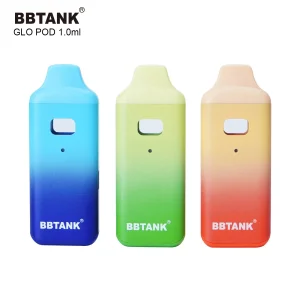
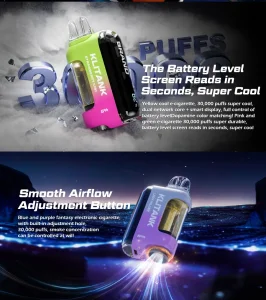
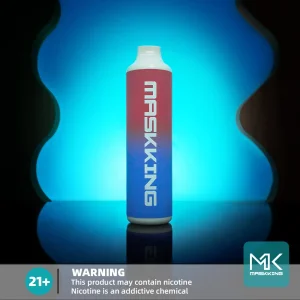
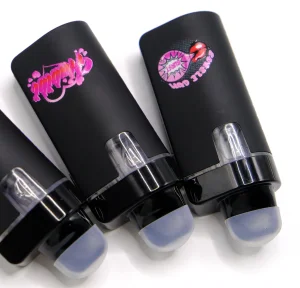
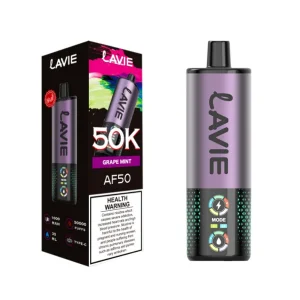
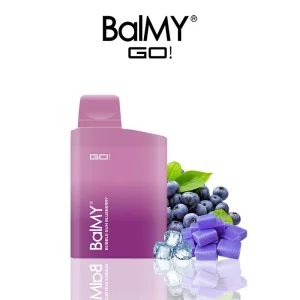
Precision-engineered hardware platforms tailored for OEM/ODM brand positioning.
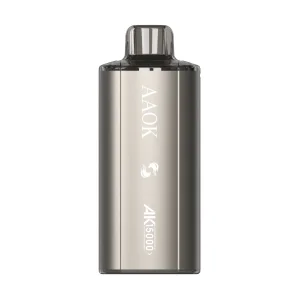
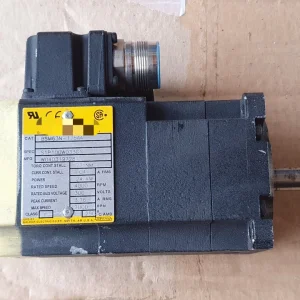
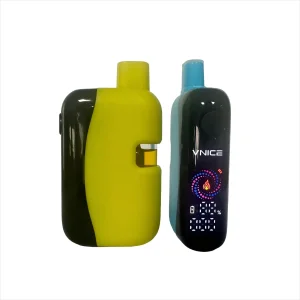
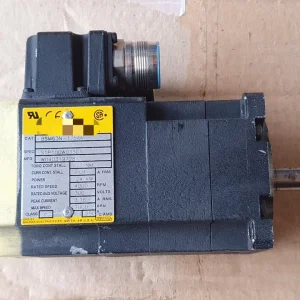
In the rapidly transforming global vapor product market, basic heating elements are no longer sufficient to sustain long-term consumer retention and compliance with stringent health regulations. Today, vapor quality enhancement is not just a technological feature—it is a critical requirement across biomedical, recreational, and industrial markets. Modern vaporization technology demands an advanced understanding of Aerosol Science, Fluid Dynamics, and Thermodynamic Stability.
As a leading authority in customized electronic cigarette development, Shenzhen Luvn Vape Co., Ltd. offers this technical whitepaper to outline the key innovations driving the next generation of vaporization systems. Through state-of-the-art aerosol optimization, precision heating materials, and robust industrial control protocols (such as Modbus and PLC integration), we redefine the parameters of e-liquid delivery and hardware reliability for our international partners.
At the center of any vapor device is the atomization core, where e-liquids or high-viscosity concentrates transform into an inhalable aerosol. A premium vaping experience is characterized by three key factors: flavor fidelity, droplet uniformity, and thermal control.
By controlling capillary flow rates within the ceramic matrix, we manage the droplet size distribution. Ideal aerosol delivery targets an MMAD between 1.0 and 2.5 microns, ensuring efficient absorption without throat irritation or heavy metal leaching.
Traditional heating elements suffer from thermal runaway, which causes the liquid to crack and produce harmful carbonyls (such as formaldehyde and acrolein). Our advanced TCR technology regulates heating profiles to keep vaporization temperatures strictly below 240°C.
For high-viscosity materials and live resins, we utilize a ceramic heating structure without a central post. This design prevents heavy metal contamination and prevents oxidation, offering pure vapor profiles for sensitive formulations.
By matching e-liquid surface tension with specific ceramic pore sizes (ranging from 30% to 50% porosity), our devices maintain a balanced feeding cycle. This eliminates dry hits and spit-back, setting a new standard for reliability in both recreational vapes and medical-grade inhalers.
The vapor sector is shifting from a consumer novelty market into a highly structured bio-technological industry. Modern laboratories require integrated testing equipment, custom network shells, and automated filling systems that rely on industrial PLCs to monitor vapor output in real time.
Our CMBV line of PLC controllers (Modbus RTU / BACnet MS/TP) highlights our focus on industrial integration. These modules allow laboratory managers to sync aerosol extraction equipment directly with building management networks. This ensures that every test run is monitored for temperature consistency, airflow velocity, and vapor volume. This level of control is essential for clinical trials, quality control runs, and compliance verification across markets in Europe and North America.
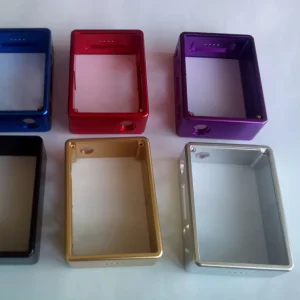
Every premium vaporizer requires an enclosure that protects its electronics and withstands environmental stress. Using high-stability CNC aluminum milling, we build prototyping components and custom structural enclosures that dissipate heat efficiently while keeping internal components safe.
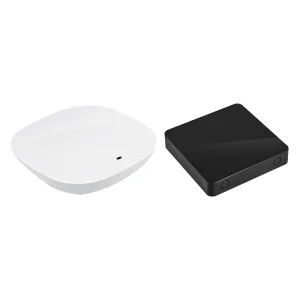
From aluminum circuit boxes to specialized smart-home IoT router shells, our precision manufacturing team works with high tolerances. This supports rapid product validation, helping brands move quickly from design and prototyping to mass assembly.
Shenzhen Luvn Vape Co., Ltd. is a leading China vape device manufacturer specializing in the research, development, production, and global supply of innovative electronic cigarette products. As a professional OEM & ODM electronic cigarette supplier, the company is committed to delivering high-quality vaping solutions that meet the evolving needs of global markets.
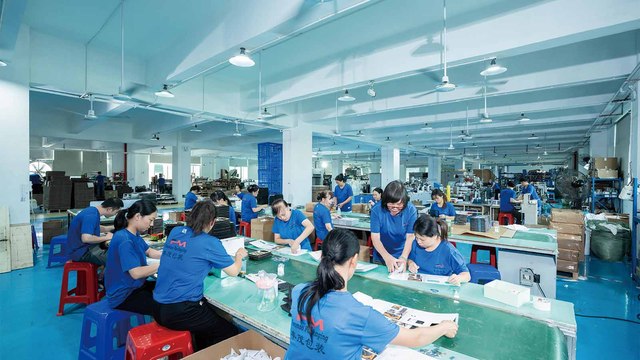
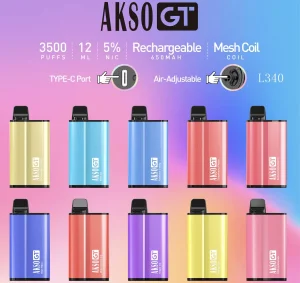
Located in Shenzhen, China's renowned center for electronic innovation and manufacturing, Shenzhen Luvn Vape Co., Ltd. operates state-of-the-art production facilities equipped with advanced automation systems and strict quality management processes. The company offers a diverse portfolio of products, including disposable vapes, pod systems, rechargeable vape devices, and customized vaping solutions designed for international brands, distributors, wholesalers, and retailers.
Innovation and product excellence are the foundation of the company's success. Backed by an experienced R&D team, Shenzhen Luvn Vape Co., Ltd. continuously invests in new technologies, product optimization, and stylish industrial designs to enhance user experience and adapt to changing market trends. The company also provides comprehensive OEM and ODM services, covering product development, appearance customization, branding, packaging design, and private label solutions.
Quality and safety remain top priorities throughout every stage of manufacturing. From raw material selection and component inspection to assembly, testing, and final packaging, rigorous quality control procedures ensure product consistency, reliability, and compliance with international standards.
Driven by innovation, quality, and customer satisfaction, Shenzhen Luvn Vape Co., Ltd. strives to become a trusted long-term partner for global customers seeking premium vape devices and professional manufacturing services. The company remains dedicated to helping clients build competitive brands and achieve sustainable growth in the worldwide vaping industry.
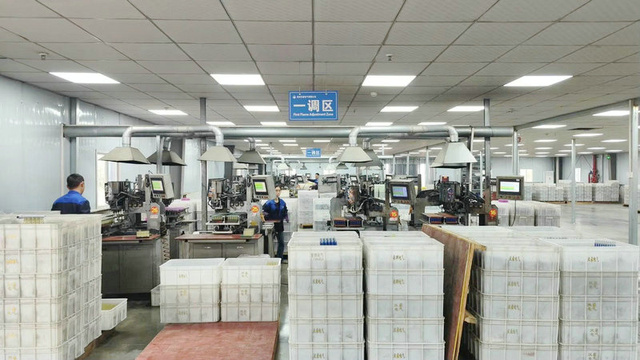
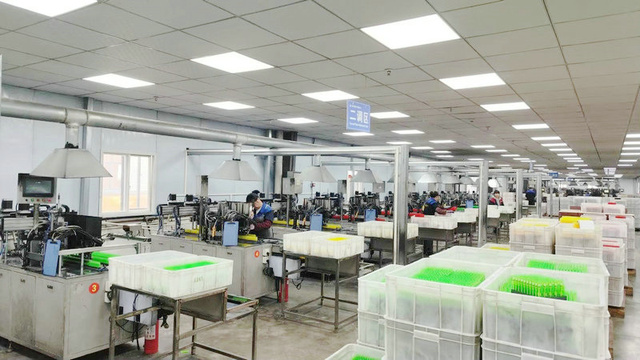
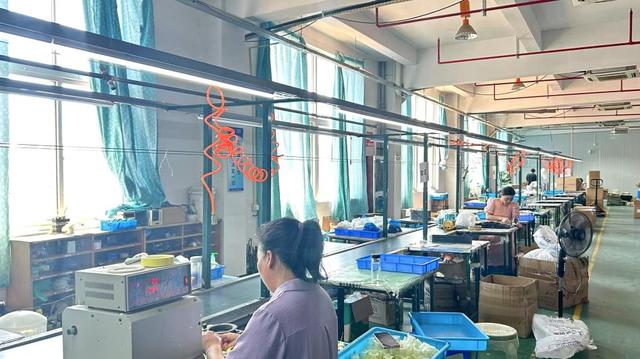
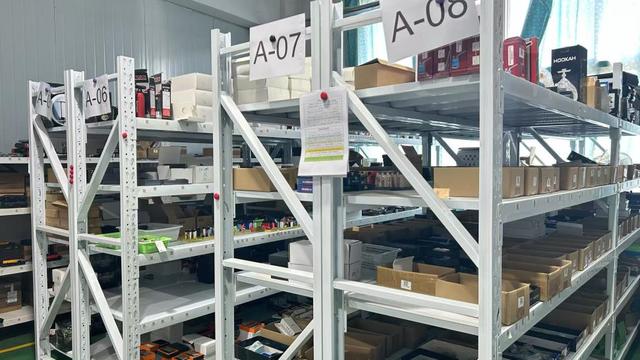
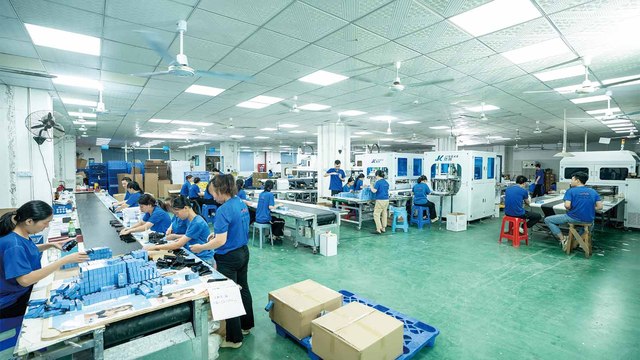
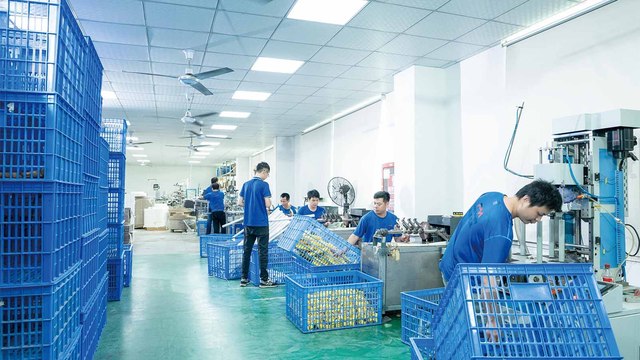


Exporting vaporization hardware requires strict adherence to localized policies. Different regions maintain distinct protocols for fluid capacities, safety labeling, and chemical analysis. Our engineering team assists at every step of this process, ensuring all hardware is ready for local regulatory approval.
We supply hardware built from materials that meet PMTA requirements. Our team provides complete ingredient disclosures, heavy metal tests, and structural diagrams to simplify FDA submission processes.
Our TPD-ready solutions feature strict 2.0ml reservoir configurations, child-resistant locks, and tamper-evident mechanisms. We assist with emissions tests to secure compliance across European Union markets.
From Middle Eastern GSO certifications to UK MHRA notifications, we adapt our designs—including customized coil resistance and airflow limits—to match specific regional preferences and compliance standards.
Our strategy for the next generation of smart vaporization systems.
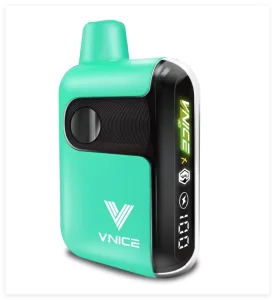
Integrating active energy monitoring, liquid level sensors, and real-time battery status screens into consumer and medical devices to improve dosing transparency.
Moving away from central-post designs across all hardware sizes to prevent direct liquid-to-metal oxidation and support thicker, clean-extract concentrates.
Using recyclable aluminum designs, natural bio-plastic outer casings, and clean battery reclamation designs to reduce the environmental footprint of disposable devices.
Connecting production machinery directly to automated control systems via Modbus and BACnet protocols. This allows plants to optimize temperature, filling volume, and pressure from a centralized interface.
Technical answers regarding vapor production, customization options, and industrial systems.
Explore our network modules, protective enclosures, and consumer vaporization hardware.
 Luvn Vape