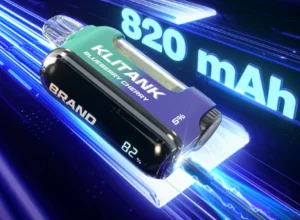
Explore our premium selection of integrated vape hardware, CNC components, smart heating disposables, and automation modules designed for operational excellence.
The global vaporization market has experienced a decisive migration towards **closed e-cigarette kits** (pre-filled pod systems). Originally introduced as simple transitional devices for smokers, closed systems have transformed into highly sophisticated, micro-engineered hardware platforms. B2B importers, regional brands, and major distributors prioritize closed pod systems over open tank systems due to strict compliance standards (such as the US FDA's PMTA, the European Union's TPD, and the MHRA in the UK).
Semantic Insight: The modern closed system is no longer just a battery and a heating element; it represents an integrated, child-safe, leak-resistant closed loop designed to prevent user tampering while maintaining precise dosage delivery and absolute chemical stability.
Industrial buyers look for specialized suppliers who can guarantee not only manufacturing volume but also material purity and compliance. High-capacity closed kits require engineering designs that prevent dynamic oil oxidation, e-liquid degradation, and localized overheating. This need has pushed modern manufacturers to integrate smart micro-control boards, stable automation systems, and high-performance ceramic cores into their production baselines.
Engineering a closed vape kit requires precise structural planning. A high-efficiency system depends on the combination of a power cell, an integrated control board, and a hermetically sealed pod. We implement the following technical solutions to address the industry's toughest challenges:
Deploying advanced postless ceramic heating technologies to manage heat distribution. This prevents micro-scorching, maintains flavor integrity, and reduces heavy metal emission levels to near-zero.
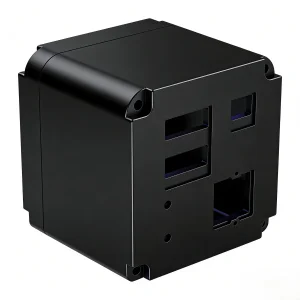
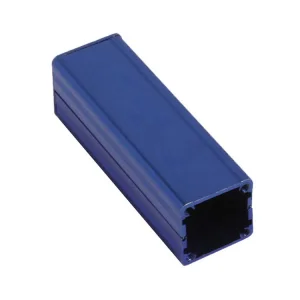
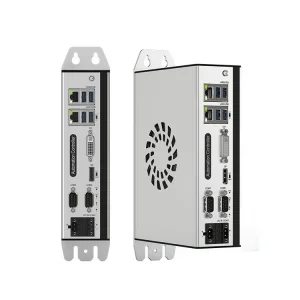
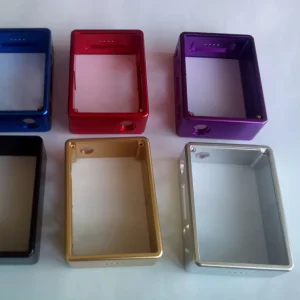
Leveraging industrial automation expertise—including CNC precision manufacturing, modbus/BACnet configurations, and customized aluminum electronic shielding boxes—to construct highly durable device shells.
Multi-layered silicone seals combined with bottom condensation reclamation channels prevent leakage under extreme barometric pressure changes, such as during air transport.
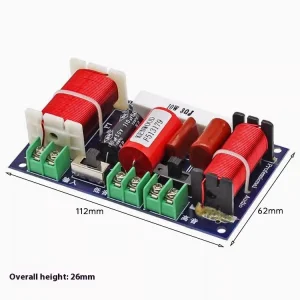
In addition, advanced closed systems now use real-time feedback loops. Implementing microprocessors on custom PCB assemblies enables real-time voltage regulation. This ensures that even as the lithium-ion battery discharges, the power delivered to the ceramic core remains consistent, providing a uniform vapor yield from the first puff to the last.
Shenzhen manufactures approximately 90% of the world's vaping hardware. The Bao'an district acts as the center of this industry, concentrating raw material refining, chemical safety testing, CNC tooling, automated assembly, and global freight forwarders into a 15-mile radius. This localization offers distinct efficiency advantages:
International B2B sourcing requires manufacturing partners to support flexible customization. Closed e-cigarette kits are not one-size-fits-all products; they must adapt to localized regulations and regional consumer preferences:
For European Markets: Kits must comply with a strict 2ml e-liquid limit, require a reliable childproof mechanism, and feature clear nicotine warnings. For North American and Middle Eastern Markets: Consumers often prefer high-capacity, rechargeable closed pod systems, adjustable airflow controls, and visual battery monitors.
A professional OEM/ODM manufacturer supports these requirements by providing end-to-end customization services. This includes industrial design, outer casing materials (such as anodized aluminum, PC/ABS blends, or soft-touch silicone coatings), customized internal chip configurations, branding, and specialized packaging that conforms to import regulations.
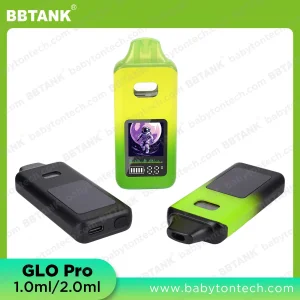
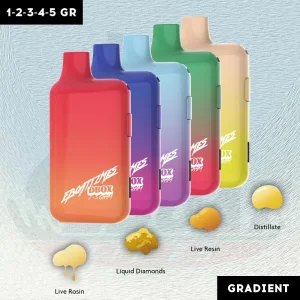
Browse our catalog of prefilled closed systems, robust disposable kits, and custom aluminum enclosures built to withstand industrial demands.
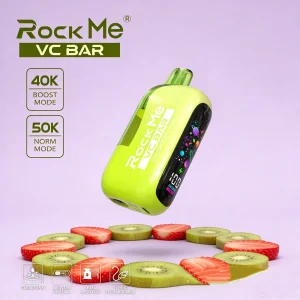
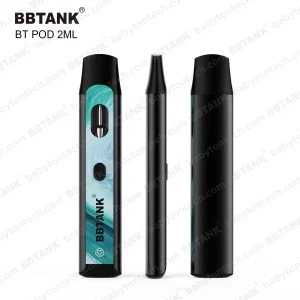
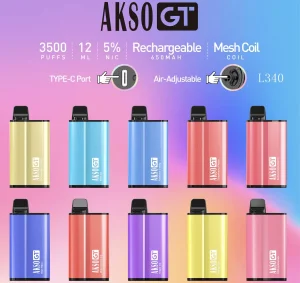
Shenzhen Luvn Vape Co., Ltd. is a leading China vape device manufacturer specializing in the research, development, production, and global supply of innovative electronic cigarette products. As a professional OEM & ODM electronic cigarette supplier, the company is committed to delivering high-quality vaping solutions that meet the evolving needs of global markets.
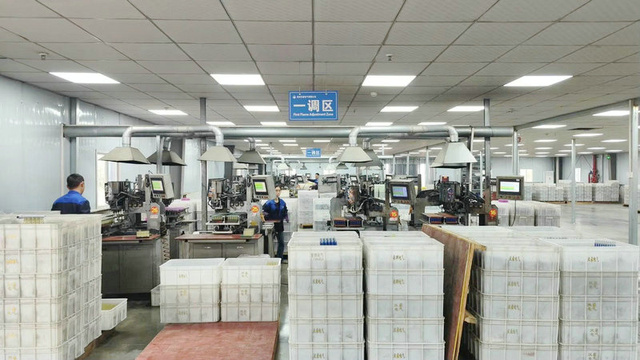
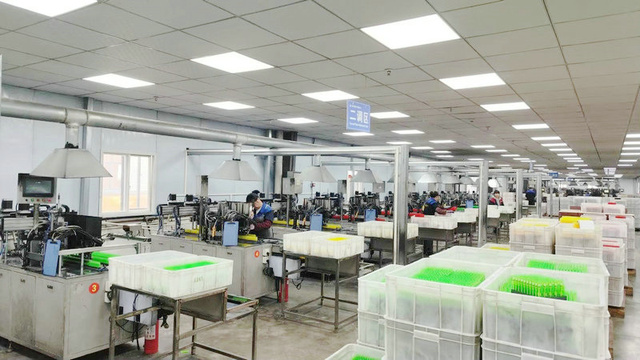
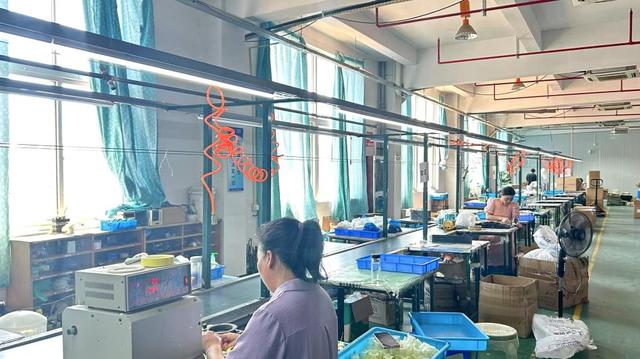
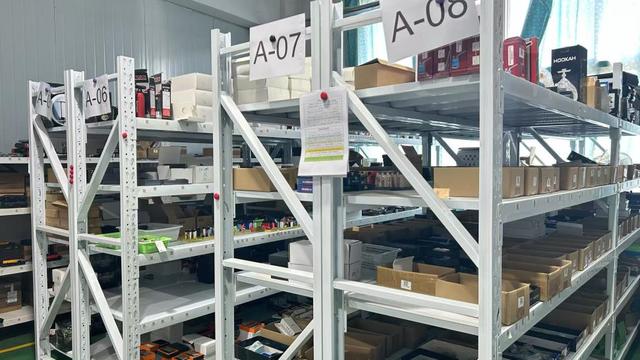
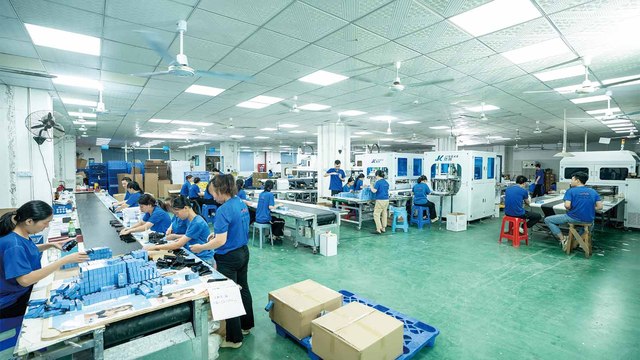
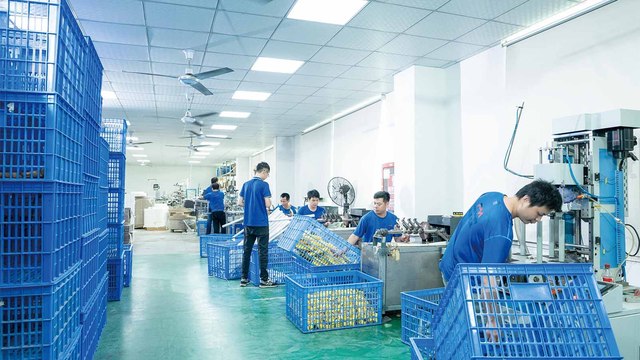
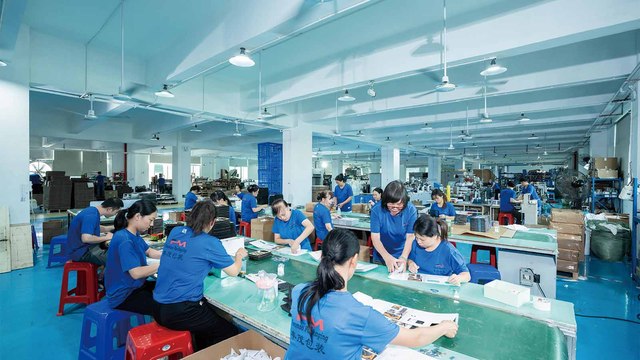
Located in Shenzhen, China's renowned center for electronic innovation and manufacturing, Shenzhen Luvn Vape Co., Ltd. operates state-of-the-art production facilities equipped with advanced automation systems and strict quality management processes. The company offers a diverse portfolio of products, including disposable vapes, pod systems, rechargeable vape devices, and customized vaping solutions designed for international brands, distributors, wholesalers, and retailers.
Innovation and product excellence are the foundation of the company's success. Backed by an experienced R&D team, Shenzhen Luvn Vape Co., Ltd. continuously invests in new technologies, product optimization, and stylish industrial designs to enhance user experience and adapt to changing market trends. The company also provides comprehensive OEM and ODM services, covering product development, appearance customization, branding, packaging design, and private label solutions.
Quality and safety remain top priorities throughout every stage of manufacturing. From raw material selection and component inspection to assembly, testing, and final packaging, rigorous quality control procedures ensure product consistency, reliability, and compliance with international standards.
Driven by innovation, quality, and customer satisfaction, Shenzhen Luvn Vape Co., Ltd. strives to become a trusted long-term partner for global customers seeking premium vape devices and professional manufacturing services. The company remains dedicated to helping clients build competitive brands and achieve sustainable growth in the worldwide vaping industry.


Crucial commercial and technical insights for professional procurement officers, import managers, and global brand owners.
 Luvn Vape